Menu

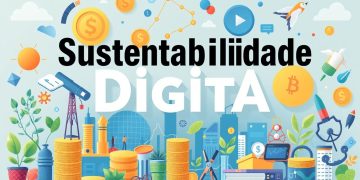
Digital Sustainability: How Technology is Redefining Ecological Consumption and Production

Digital sustainability leverages technology to foster eco-friendly practices in consumption and production. By using smart apps, data analytics, and e-commerce innovations, consumers and businesses are empowered to make informed, sustainable choices that reduce waste and promote renewable energy, paving the way for a greener future.

Quantum Computing: The Future of Solving Complex Problems

Quantum computing is poised to revolutionize various sectors by solving complex problems faster than traditional computers. With advancements in healthcare, finance, and artificial intelligence, it enables rapid data processing and innovative solutions. However, challenges like error correction and ethical concerns remain critical as we explore its transformative potential.

The Role of Artificial Intelligence in Improving Global Communication Infrastructure

Artificial Intelligence is revolutionizing global communication infrastructure by enhancing data analysis, language translation, and network optimization. By fostering collaboration and improving user experiences through predictive maintenance and personalized interactions, AI ensures efficient, reliable communication while breaking down language barriers, leading to a more interconnected world.

The Influence of Social Media on Global Political Mobilization

Social media profoundly impacts global political mobilization by enabling instant communication, fostering grassroots organizing, and amplifying marginalized voices. While it enhances civic engagement and awareness, it also poses challenges like misinformation and polarization. Understanding this duality is essential for harnessing social media’s potential in political activism effectively.

Global Connectivity and Its Implications for Distance Education in Remote Regions

Global connectivity is transforming distance education, especially for remote regions. By leveraging technology, students gain access to quality resources and collaborative learning opportunities. However, addressing the digital divide and ensuring access to reliable content and support systems is essential for creating an inclusive educational environment that empowers all learners.

Trends in Blockchain: How Technology is Revolutionizing Traditional Sectors

Blockchain technology is revolutionizing traditional sectors by enhancing efficiency, transparency, and security. Industries like finance, supply chain, healthcare, and real estate are experiencing significant changes due to decentralized systems, smart contracts, and improved data management, paving the way for innovative practices and seamless transactions in the digital age.

The Impact of Artificial Intelligence on the Digital Transformation of Companies

The integration of Artificial Intelligence is transforming companies by enhancing operational efficiency, improving customer engagement, and driving innovation. Organizations leveraging AI technologies for data analysis, automation, and personalized experiences can achieve substantial cost savings and competitive advantages, ensuring their success in the evolving digital landscape.

The Rise of Satellite Internet Technologies and Their Role in Global Connectivity

Recent advancements in satellite internet technologies are revolutionizing global connectivity. By providing access to remote and underserved areas, these innovations enhance education, telehealth, and entrepreneurship. As satellite internet continues to evolve, it bridges the digital divide, fostering collaboration and resilience, and paving the way for a more connected future.

Challenges of Cybersecurity in an Increasingly Connected World

In an increasingly connected world, cybersecurity faces numerous challenges, including the rise of IoT devices, complex networks, and human error. These vulnerabilities result in significant risks for individuals and organizations alike. A proactive approach that combines education, collaboration, and robust security measures is essential to safeguard digital environments.

The Impact of 5G on Global Connectivity and the Digital Economy

5G technology is revolutionizing global connectivity and the digital economy by providing unprecedented speed, lower latency, and enhanced access. This transformation empowers sectors like healthcare, transportation, and education while promoting economic growth, bridging digital divides, and fostering innovation, ultimately improving everyday life and opportunities for communities worldwide.